Resource Visibility
Establishing a clear data-driven view of existing inventory prevents redundant acquisitions and reduces environmental impact by maximizing the lifecycle of every item.
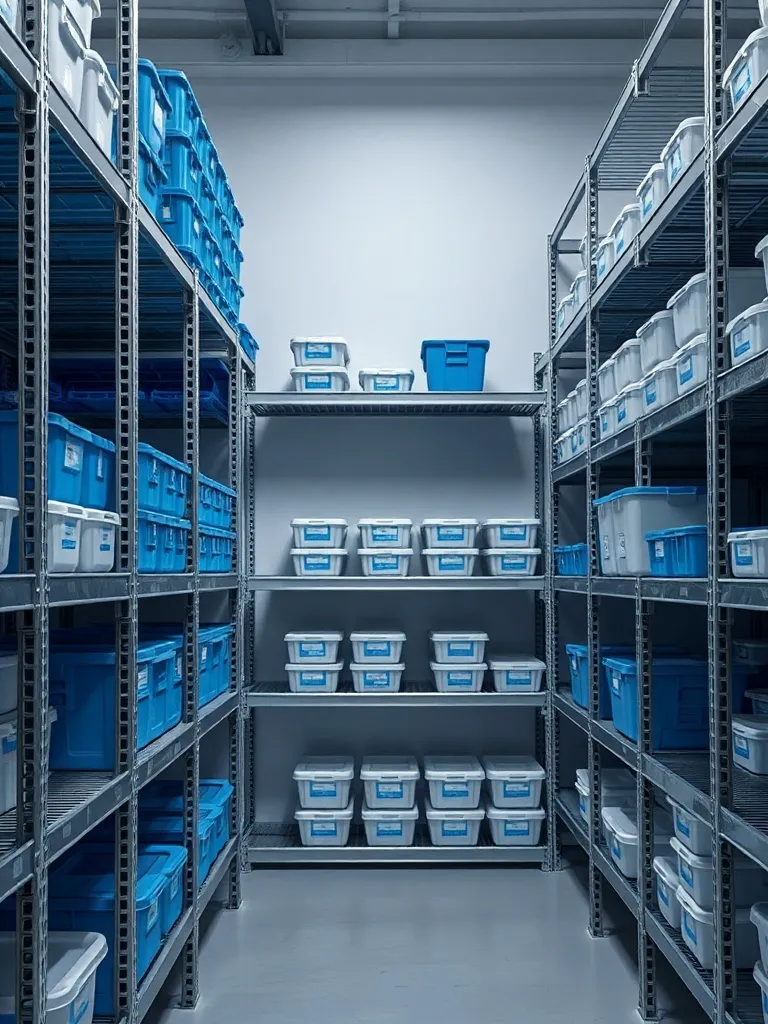
A technical framework for quantifying physical possessions to eliminate waste and optimize resource allocation within your living space.
Begin AssessmentEstablishing a clear data-driven view of existing inventory prevents redundant acquisitions and reduces environmental impact by maximizing the lifecycle of every item.
Identifying underutilized assets allows for strategic liquidation. Converting stagnant physical goods back into liquid capital supports long-term Financial Stability.
A structured audit enables the implementation of rigorous maintenance schedules, ensuring high-value equipment operates at peak efficiency for longer durations.
The first stage of a professional audit involves the exhaustive categorization of all physical assets. We utilize a zone-based scanning technique where items are logged by frequency of use, acquisition date, and current physical condition. This process mirrors industrial Resource Conscious Consumption strategies to ensure no item remains unaccounted for.
By assigning a unique identifier to high-value items, you create a digital twin of your physical environment. This data layer is essential for tracking depreciation and identifying the slow accumulation of "inventory debt" that often leads to impulsive purchasing habits.
Utility is measured through a binary filter: Does the asset perform a critical function, or is it a byproduct of Dopamine and Digital Retail? Every object is subjected to a 90-day usage review. Assets that have not been deployed within this window are flagged for reassessment or redistribution.
This framework removes emotional bias from the decluttering process. It focuses strictly on the technical performance and necessity of the asset, ensuring that your living environment supports productivity rather than housing dormant resources.
Decluttering is not merely disposal; it is resource recovery. Assets identified as redundant are channeled into secondary markets or ethical recycling streams. Simultaneously, retained assets are entered into automated maintenance schedules to prevent premature failure and ensure sustainable long-term use.
Preventative care reduces the total cost of ownership. By adhering to strict service intervals for electronics, appliances, and tools, you maximize the return on your initial investment and reduce the need for emergency replacements.