Transport Modalities
- Air Freight 500g CO2 / ton-km
- Road Transport (Heavy) 80g CO2 / ton-km
- Rail Freight 20g CO2 / ton-km
- Sea Shipping 10g CO2 / ton-km
Analyzing the invisible environmental price of instant gratification. Every click initiates a complex chain of fuel consumption, material waste, and atmospheric degradation.
The modern logistics infrastructure is optimized for speed, not sustainability. When a consumer selects "Next Day Delivery," they are unknowingly opting for the most carbon-intensive transport method available. Air freight emits approximately 500 grams of CO2 per metric ton-kilometer, which is nearly 47 times higher than sea shipping. This disparity highlights a fundamental conflict between retail convenience and ecological preservation.
Beyond the primary transport, "Last Mile" delivery accounts for nearly 50% of total shipping emissions. Small delivery vans frequently idling in residential zones contribute significantly to local nitrogen oxide levels. This hyper-local pollution directly impacts urban air quality, creating a hidden health cost that is never reflected on the digital receipt at checkout.
"The convenience of a single-click purchase masks a logistical machinery that consumes over 3 billion gallons of fuel annually just for residential deliveries in North America."
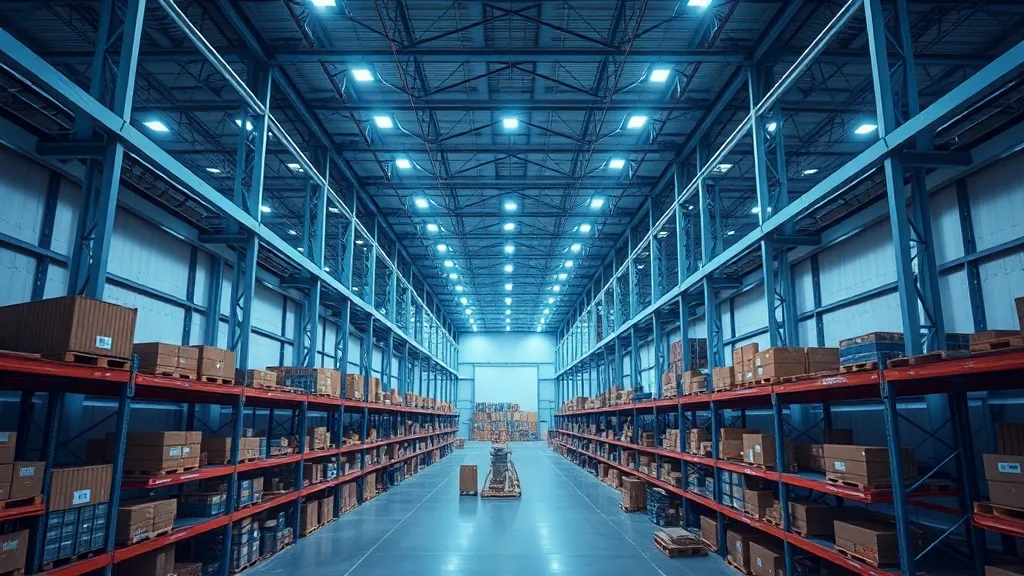
Online orders generate 4.8 times more packaging waste than traditional brick-and-mortar purchases. This includes oversized boxes filled with plastic air pillows and non-recyclable adhesive tapes.
Resource Consumption →Polyethylene mailers and bubble wrap are rarely processed by municipal recycling facilities. Most of these materials end up in landfills where they persist for up to 400 years.
Digital Retail Impact →Shipping "air" is a major logistical inefficiency. Standardized box sizes often mean that 40% of a package's volume is empty space, requiring more trucks for the same volume of goods.
Capital Preservation →Reverse logistics is the most inefficient segment of the supply chain. In the apparel industry, return rates can exceed 30%, effectively doubling the carbon footprint of a single transaction. Many returned items are never restocked due to the high cost of inspection and repackaging; instead, they are routed directly to liquidators or incinerators.
For e-commerce fashion, resulting in twice the transportation emissions per item kept.
Annual landfill waste generated solely from returned online purchases in the US.
Emissions produced by the return shipping process annually, equivalent to 3 million cars.
Opting for "Amazon Day" or similar consolidated delivery options allows logistics providers to optimize route density. This reduces the number of trips to your neighborhood and ensures that delivery vehicles operate at maximum capacity, significantly lowering the per-package carbon cost.
Implementing a 48-hour delay before finalizing any online purchase reduces impulse-driven returns by up to 60%. This protocol allows the initial dopamine spike to subside, leading to more rational purchasing decisions and fewer logistical reversals.
Utilizing locker systems or local retail pickup points eliminates the "failed delivery" attempt, which accounts for a significant portion of unnecessary last-mile emissions. It also allows for bulk drop-offs at a single location rather than multiple residential stops.
Understanding the logistics cost is the first step toward resource-conscious consumption. Start your personal asset audit today to identify areas for improvement.