Logistics Friction
Single-item shipping increases packaging waste by 400% compared to consolidated procurement. Reducing delivery frequency is the primary lever for household carbon mitigation.
Read Analysis
The average modern household can reduce environmental friction by over 80% by eliminating frictionless digital commerce. We provide the technical framework to audit your consumption and restore resource balance.
Every digital transaction initiates a physical chain reaction. By understanding the logistics of impulse buying, we can quantify the carbon and material cost of "one-click" convenience.
Single-item shipping increases packaging waste by 400% compared to consolidated procurement. Reducing delivery frequency is the primary lever for household carbon mitigation.
Read AnalysisImpulse purchases often lead to "dead inventory"—items that remain unused for over 12 months. This represents a direct loss of capital and raw material efficiency.
Audit ProtocolThe interface design of modern retail platforms is engineered to bypass rational decision-making. Understanding these triggers is essential for behavioral correction.
Behavioral DataSustainable living is often mischaracterized as a series of aesthetic choices, but at its core, it is an engineering challenge. The goal of Yard Ledger is to provide a framework for Resource Conscious Consumption. This requires a shift from rapid, emotion-driven acquisition to a systematic, inventory-based approach. When we treat our personal assets with the same rigor as a professional supply chain, waste is naturally minimized.
The primary obstacle to this balance is the "One-Click" ecosystem. By removing the physical and temporal barriers between desire and possession, retailers have created a cycle of continuous resource depletion. This cycle does not only impact personal Capital Preservation, but it places an unsustainable load on global manufacturing and recycling systems.
By implementing these technical constraints, we restore the natural friction required for rational decision-making. This is not about deprivation; it is about the optimization of resources. A well-managed inventory reduces stress, increases financial liquidity, and ensures that the items we do possess are utilized to their maximum potential.
Transitioning to a resource-conscious model requires a phased approach. Follow these technical steps to recalibrate your consumption habits and reduce your ecological footprint.
Unsubscribe from promotional marketing and remove stored payment information from high-frequency retail platforms. This introduces necessary technical friction.
Conduct a full audit of your current possessions. Categorize items by utility and frequency of use to identify areas of over-consumption.
Adopt a "replacement-only" policy for non-essential goods. Move to a monthly procurement cycle to consolidate shipping and reduce logistics waste.
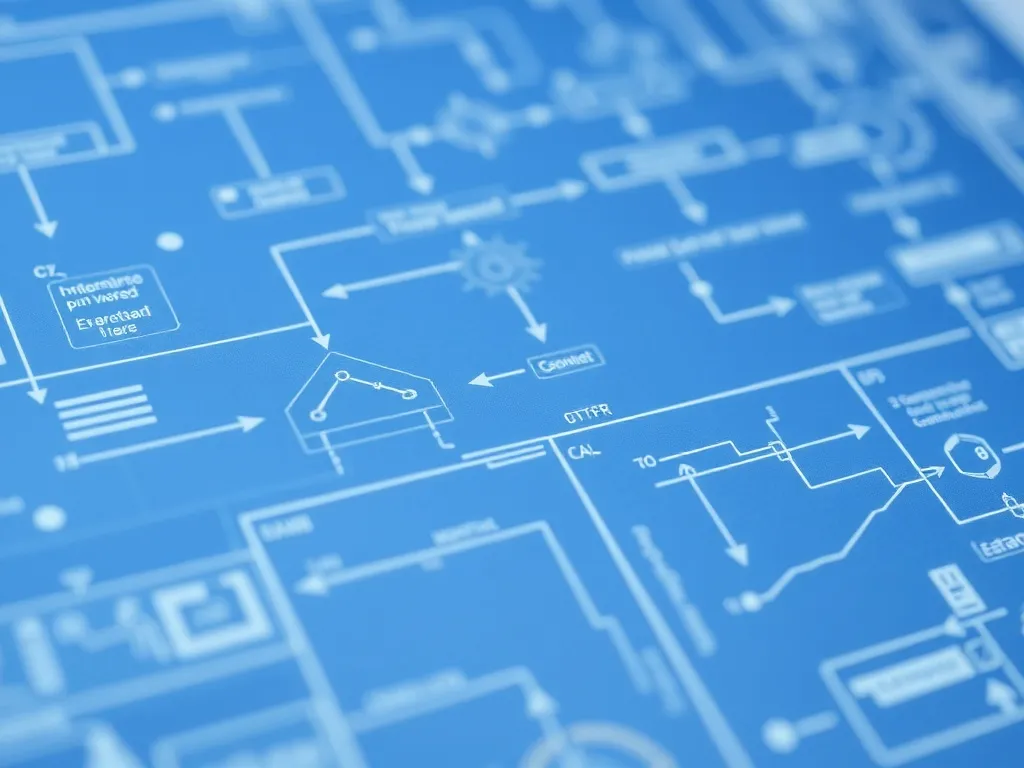
The diagram above illustrates the correlation between procurement friction and long-term asset value retention.
The site is an independent reference resource and is not associated with any government agencies, public organizations, commercial suppliers, or brand owners.