Yard Ledger
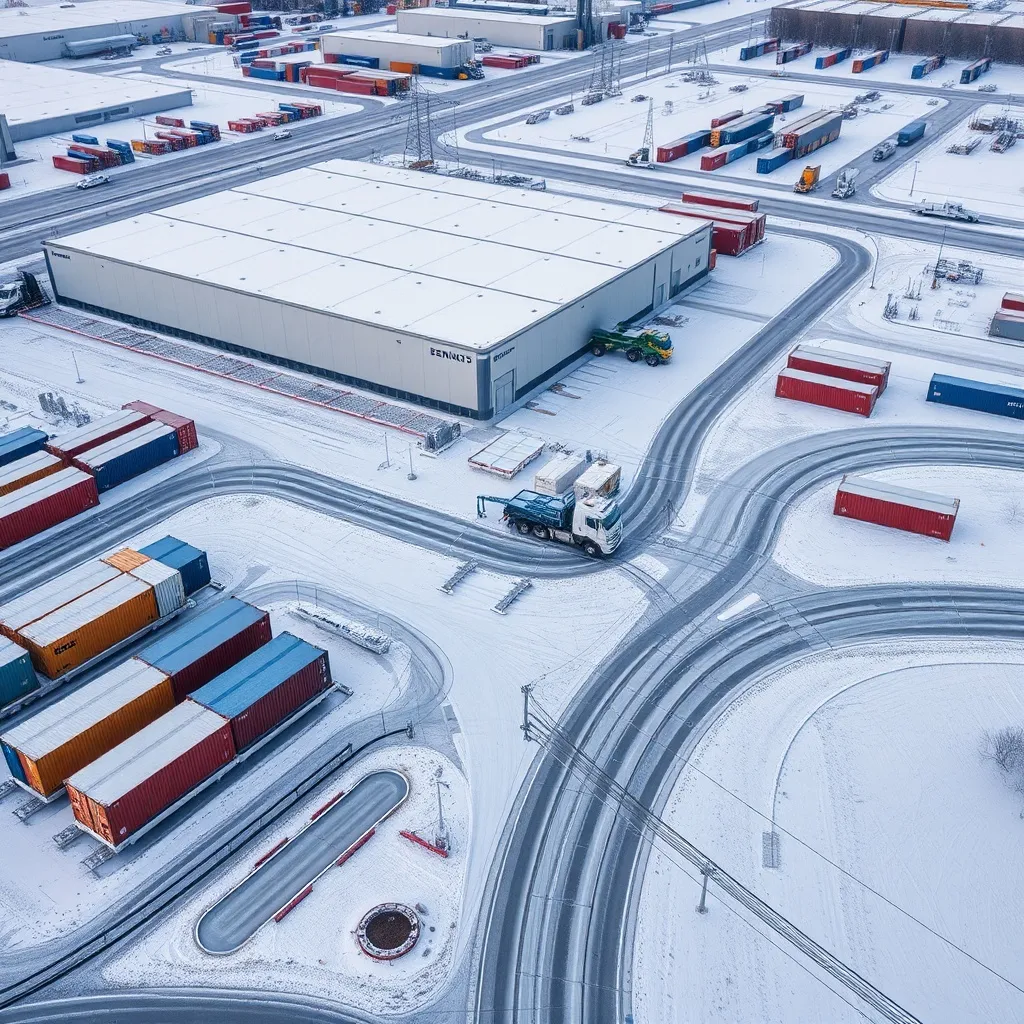
A high-angle aerial view of a clean, modern industrial logis
Regional Audit 2024

Edmonton
Resource Data

Analyzing the environmental footprint of digital consumption within the Alberta Capital Region. Our data focuses on the intersection of logistics, waste management, and local resource preservation.

Explore Regional Metrics
42% Traffic Density Increase

Growth in last-mile delivery vehicle frequency within Edmonton’s residential zones since 2019. This surge directly correlates with the rise of "one-click" digital retail habits.

18.4 KG CO2 Per Capita

Estimated annual carbon emissions generated solely by residential delivery logistics for non-essential goods in the Alberta Capital Region.

3.2M Annual Parcels

The volume of individual shipping units processed through local distribution centers destined for Edmonton households, contributing to significant road wear.

Material Lifecycle Analysis

The Hidden Cost of Packaging

Cardboard and Polymer Saturation

Alberta's waste management systems are facing unprecedented pressure from secondary packaging materials. While cardboard is technically recyclable, the sheer volume generated by impulsive online purchases often exceeds the processing capacity of local facilities, leading to temporary stockpiling and increased operational costs for the city.

Furthermore, the use of mixed-material mailers—combining paper and plastic films—presents a significant challenge for Resource Conscious Consumption. These items are frequently mis-sorted by residents, resulting in contamination of the recycling stream and reducing the overall efficiency of Edmonton’s recovery programs.

Returns and Landfill Trajectory

A critical data point often overlooked is the "Return Loop." Approximately 25-30% of impulsively purchased items are returned. In many cases, the logistics of inspecting and restocking these items are more expensive than the item itself, leading some retailers to discard perfectly functional goods directly into Alberta landfills.

  • + 15% Increase in landfill volume from retail returns
  • + 22% Rise in methane emissions from decomposing textiles
  • + 40% Growth in plastic micro-waste from shipping buffers

Circular Alternatives

Reducing the need for new acquisitions through localized asset sharing and inventory management. Transitioning from individual ownership to community access.

View Audit Tools
01 / Assets

Tool Libraries

Edmonton's growing network of tool libraries allows residents to access high-quality equipment without the environmental burden of individual manufacturing and shipping.

Preserve Capital
Actionable Insights

Inventory Control for the Modern Household

By conducting a Personal Asset Audit, you contribute to a broader regional data set that helps Edmonton urban planners understand consumption patterns. This isn't just about saving money—it's about the technical optimization of our city's resource flow.

A clean, minimalist abstract visualization of a city map wit